According to recent reports, approximately 4.5 million dog bites occur in the US annually. As a result, over 800,000 people seek treatment for dog bite injuries every year. Oftentimes, people notice a lump under the skin after a dog bite. Lumps can indicate a serious problem and may form due to a variety of reasons.
If you notice a lump forming under the skin after a dog bite, it is recommended that you consult your doctor or a veterinarian. They will evaluate the wound, determine the cause of the lump, and recommend appropriate treatment options.
Importantly, you need to consult with an Ohio dog bite lawyer to help you sue for damages. A dog bite attorney can help prove your case for fair compensation for medication costs and other damages.
Here, we discuss more about the causes of lumps after dog bites and how a law firm can help.
Talk to a Dog Bite Lawyer Today
Lumps can form under the skin following a dog bite for a variety of reasons. Firstly, when a dog bite occurs, the skin can become damaged, leading to the introduction of bacteria into the body. This can trigger an immune response, which leads to inflammation and the formation of a lump, also known as abscess. This is a pocket of pus (dead cells, bacteria, and other debris), which causes swelling, redness, and pain.
In addition, lumps can also form following a dog bite due to hematoma formation. A hematoma occurs due to the damage of blood vessels, and blood accumulates in the surrounding tissues as a result. This is especially true due to the strong dog bite, which ranges from 230-320 PSI. This can cause a raised lump and bruise-like discoloration under the skin.
Another possible cause of a lump after a dog bite is the formation of a seroma. This is a collection of clear fluid that can form under the skin as a result of tissue trauma or injury. It typically appears as a soft, fluid-filled lump.
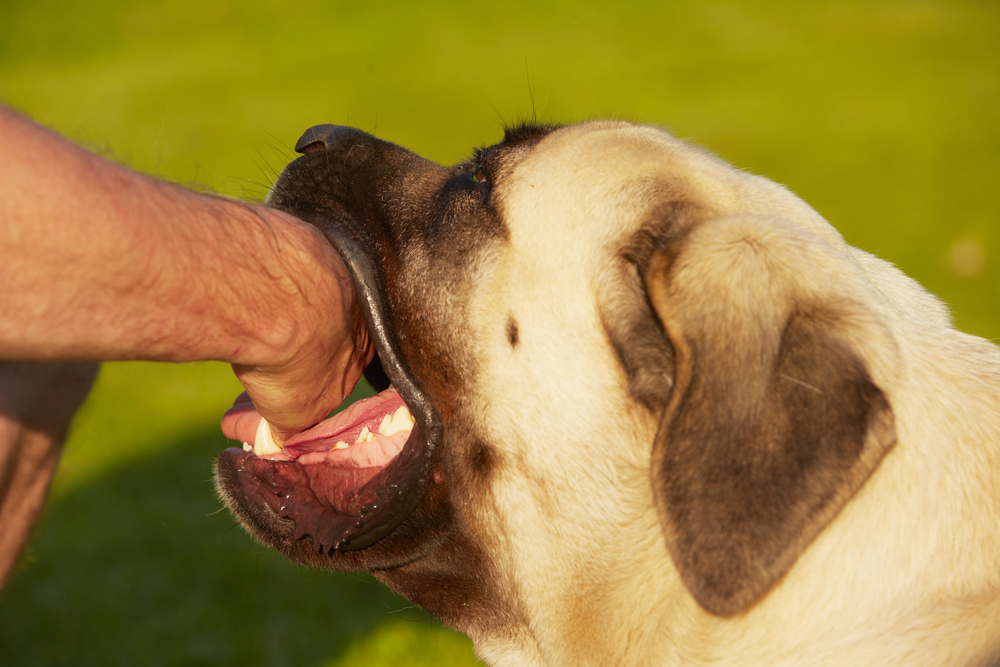
In some cases, dog bite injuries are immediately noticeable. Abrasions, puncture wounds, or lacerations may be visible on the skin right after the bite. However, the severity of such injuries can continue to worsen over time.
On the other hand, some injuries may have a delayed onset. Bruising, swelling, or internal injuries might take time to become evident. The body’s response to trauma, such as inflammation, may lead to these delayed symptoms.
Following a dog bite incident, the body might release adrenaline and enter a state of shock. This physiological response can temporarily mask pain and delay the recognition of injuries. As the adrenaline wears off, the true extent of the damage begins to show up.
Also, infections resulting from a dog bite may not show immediate signs. It might take some time for symptoms like lumps, redness, warmth, or pus formation to become noticeable. Monitoring the wound may help unveil signs of infection early, even if symptoms don’t appear right away.
It’s, therefore, important to seek medical attention promptly after a dog bite for guidance on monitoring for potential complications.
If a lump forms after a dog bite, you need to seek immediate medical attention. This is crucial for several reasons:
As seen above, some individuals may have a delayed reaction to dog bites due to shock or the body’s natural response to trauma. This can result in a delayed onset of symptoms. A doctor can establish the extent of injuries and provide appropriate treatment. They can also determine if further medical interventions, such as vaccinations, are necessary.
Prompt medical attention helps establish a clear link between the dog bite and the resulting injury. Documenting the incident with a healthcare professional creates proof of injury, which can be vital for legal claims that may arise.
Obtaining medical attention generates medical bills that demonstrate the actual treatment received. These bills are helpful during legal proceedings as they help substantiate the extent of the injury, the necessary medical interventions, and the associated costs.
Also, seeking immediate medical attention helps prevent gaps in medication and treatment. If you delay seeking medical help, opposing counsel may use gaps in treatment against you. They may argue that the injury was not severe or urgent, which may lower the settlement.
If you plan to wait to see if the infection gets worse, be sure to monitor the lump at home. Regularly monitor the lump’s progression. Document any changes in size, color, or symptoms. This information can be shared with the hospital if medical attention is eventually sought. Also, this can serve as additional evidence in case of legal proceedings.
When people suffer injuries due to dog bites, they may file personal injury lawsuits to seek damages. However, dog bite cases in Ohio can involve challenging legal processes due to regulations such as the statute of limitations. However, with an attorney by your side, you can handle the claims process effectively to safeguard your interests.
If you or a loved one has been seriously injured, don’t hesitate to seek legal counsel with us right now!
Treating a dog bite can indeed be costly due to various medical expenses and potential long-term implications associated with these injuries. Here are some costs associated with treating dog bites:
If you suffer injuries following a dog bite, the owner is strictly liable to clear these medical costs through their homeowners’ insurance. However, they may try to lowball settlements or deny responsibility. You should engage a dog bite lawyer to help prove your case and hold the liable party accountable.
A legal firm can help you in several ways after you find a lump after a dog bite. Here are the different ways:
Although Ohio is a strict liability state for dog bites, you still need to have solid evidence to prove your case. A lawyer will initiate an investigation into the circumstances in order to build a robust claim. This involves looking at the events leading up to the bite and any relevant details about the dog and its owner.
Gathering evidence is key to handling personal injury cases. This includes obtaining medical records related to the injury, documenting the extent of the damage, and collecting available eyewitness accounts or statements. Additionally, the legal team may seek evidence such as photographs of the dog bite, surveillance footage, or any reports filed with animal control.
To secure compensation, you must establish the damages resulting from the dog bite. A legal firm assists in documenting and presenting evidence of various damages, including:

Contact us online or call us at 1.937.222.2222 for a free case evaluation.
A dog bite can turn into more than a wound that heals slowly. In Dayton, Ohio, injured residents often face rising medical bills before they know their legal options. How long after a dog bite can you sue? Ohio law sets a firm two-year window from the date of the bite, under Ohio Revised Code Section 2305.10. At Dyer, Garofalo, Mann & Schultz, we walk clients through this deadline so a claim does not slip away before it can be filed.
In Ohio, you generally have two years to sue after a dog bite, so a bite 18 months ago with a lump today may leave only months to file.
This time limit applies regardless of when symptoms appear. Some injuries, such as a lump beneath the skin, may appear days or weeks after the bite. Ohio’s statute of limitations does not pause simply because a complication develops later. Understanding this deadline early helps ensure the ability to pursue compensation for medical costs, scarring, and pain and suffering resulting from the bite. But how long after a dog bite can you sue if a lump like this shows up months later? Waiting to seek medical or legal guidance can make it harder to reconstruct exactly when the bite happened and how it has affected daily life since.
Yes, a delayed lump does not automatically end the right to pursue a claim. Bacteria from a dog’s mouth can settle beneath the skin and cause an infection that takes time to surface, sometimes appearing as swelling or tenderness after the wound looks healed. The Ohio Department of Health notes that dog bites carry a real risk of bacterial infection and tissue damage that may not appear right away.
A lump forming weeks after a bite can point to an abscess, a hematoma, or another reaction to the original wound. According to the MedlinePlus Medical Encyclopedia, a sudden, painful lump is often associated with an underlying injury or infection rather than a separate, unrelated condition. This connection matters for a legal claim, since the lump traces back to the original bite rather than a new, intervening cause.
Insurance adjusters sometimes argue that a late-appearing symptom is unrelated to the original incident, especially when weeks or months have passed since the bite. Prompt medical evaluation creates a record linking the lump to the bite, which strengthens the case rather than weakening it. Waiting to see a doctor, by contrast, can give an insurer room to dispute that connection.
If you’ve faced injustice at work, reach out for legal guidance without delay!
No, a delayed lump does not push back Ohio’s filing deadline in most dog bite cases. Under Ohio Revised Code Section 2305.10, the two-year period generally begins on the date the injury occurs, meaning the date of the bite itself, not the date a complication becomes visible. Ohio law applies a discovery-based start date to only a narrow set of injuries, such as exposure to certain hazardous substances, and a dog bite does not fall into that category.
Ohio law also recognizes limited exceptions to this general rule, including situations where the injured person was a minor at the time of the bite, which can extend how long a parent or guardian has to pursue a claim on the child’s behalf.
This distinction matters because someone who waits to see a doctor about a new lump can lose valuable time without realizing the deadline is still running. A bite that occurred eighteen months ago, followed by a lump appearing today, may leave only a few months left to file suit under Ohio law.
Because the countdown starts at the moment of the bite, tracking the exact date of the incident becomes essential. Medical records, photographs, and animal control reports created close to that date help establish the timeline an insurance company or court will rely on later. In Dayton and Montgomery County, animal control agencies often keep bite reports on file, which can help confirm when the clock began running.
In most cases, you have two years from the date of the bite to file a lawsuit in Ohio, regardless of when a lump or other complication appears. Missing this deadline typically bars the claim entirely, even if a serious lump develops shortly before the window closes.
Ohio’s strict liability rule for dog bites generally holds an owner responsible for injuries their dog causes, but strict liability does not extend the two-year clock. Acting early, documenting the bite, and seeking treatment for any lump as soon as it appears all help preserve a case while time remains.
Lumps under the skin following a dog bite should not be taken lightly, as they could imply serious underlying issues. The dog’s owner should be held responsible for covering the medical bills and related costs. However, their insurance provider may use tricks to cut down potential compensation so as to safeguard their bottom line. However, the legal team at Dyer, Garofalo, Mann & Schultz is ready to hold your hand. Our lawyers will ensure that your case is handled professionally and you receive adequate compensation for your losses. Contact us today to discuss your case for free.
Before establishing Dyer, Garofalo, Mann & Schultz L.P.A., the top Ohio Injury Attorney served as a bodily injury claims adjuster at a major insurance firm. With over 40+ years of experience, Doug’s background has proven invaluable in securing maximum cash settlements for his clients swiftly. Since leaving the insurance industry, Doug has devoted his entire legal career to assisting injured clients during their times of greatest need.
Facebook | Twitter | LinkedIn | YouTube | Super Lawyers | Avvo | Justia

Before establishing Dyer, Garofalo, Mann & Schultz L.P.A., Doug Mann, a top Ohio Injury Attorney served as a bodily injury claims adjuster at a major insurance firm. With over 40+ years of experience, Doug’s background has proven invaluable in securing maximum cash settlements for his clients swiftly. Since leaving the insurance industry, Doug has devoted his entire legal career to assisting injured clients during their times of greatest need.

This page has been written, edited, and reviewed by a team of legal writers following our comprehensive editorial guidelines. This page was approved by Founding Partner, Doug Mann who has more than 30 years of legal experience as a practicing personal injury attorney.
Keep up to Date with Our Newest Firm Updates
Key Takeaways A jackknife happens when a truck driver loses control and the trailer swings away from its straight path. Hard braking, excess speed, and slick pavement on I-75 and […]
Key Takeaways A deposition is sworn testimony given outside the courtroom so both sides can learn the facts before trial. The questions cover your background, the crash, your injuries, your […]
Key Takeaways A crash involving only your vehicle does not automatically make you the at-fault driver. Another driver, a road defect, or a vehicle defect can cause a crash without […]
If you or a loved one has been seriously injured, please fill out the form below for your free consultation or call us at 1.937.222.2222

 call us: