Walking away from a crash in Dayton with visible injuries is frightening enough, but many survivors carry wounds far harder to name. The hypervigilance behind the wheel, the nightmares, the sudden dread of a routine commute are all experiences that are real and deserve real attention.
At Dyer, Garofalo, Mann & Schultz, we work with people throughout Dayton whose lives have been reshaped by PTSD after car accident trauma, and we understand how deeply those invisible injuries affect everything from sleep to relationships to financial stability.
Emotional distress after a serious collision can surface in ways people do not immediately connect to trauma. The National Institute of Mental Health notes that people may feel anxious, sad, or angry, have trouble concentrating or sleeping, and keep thinking about what happened after a traumatic event like a serious accident, and many improve over time. When those symptoms persist or interfere with daily life, they may point to PTSD. Crash survivors often report:
Recognizing these signs early opens the door to treatment, and many people find that simply naming what they are experiencing brings a measure of relief. When negligence caused the crash, Ohio law also provides a path to compensation for this type of harm.
If you or a loved one has been seriously injured, don’t hesitate to seek legal counsel with us right now!
Understanding how PTSD after a car accident develops can help survivors make sense of what they are going through, because the condition rarely announces itself right away. For many Dayton crash survivors, symptoms emerge gradually over days or weeks, well after the initial shock subsides and the insurance calls begin piling up. The psychological weight of a collision often unfolds in stages, beginning with acute stress responses and, in some cases, progressing into a more lasting diagnosis.
The Mayo Clinic identifies core features of this condition, including unwanted distressing memories that return repeatedly, reliving the event through vivid flashbacks, upsetting nightmares, and severe emotional or physical reactions to reminders of the crash. What makes post-accident psychological trauma particularly difficult is how naturally those triggers weave into everyday routines, from the sound of braking tires to a familiar stretch of highway on a daily commute.
Given these challenges, many people worry whether a psychological diagnosis will hold up in a legal claim, and the answer depends largely on documentation. Ohio courts and insurance adjusters look for evidence directly linking the diagnosis to the accident, which means a formal evaluation from a licensed mental health professional forms the foundation of any recovery.
A detailed symptom journal and corroborating accounts from family members or coworkers both strengthen the picture further. Delayed-onset presentations are clinically well-established, so a diagnosis arriving weeks after the crash does not weaken a claim under Ohio law.

Contact us online or call us at 1.937.222.2222 for a free case evaluation.
Getting the right support after a crash is not just about healing, it also shapes how thoroughly your losses can be documented and recovered. Several evidence-based approaches have helped many survivors manage trauma responses after collisions:
Consistent, documented care also demonstrates to insurance carriers that psychological injuries are genuine and ongoing, which matters directly when calculating non-economic damages such as mental anguish and loss of enjoyment of life under Ohio law. Reaching out to a mental health professional sooner rather than later makes a meaningful difference in both recovery and in any claim you pursue.
Nobody should carry the weight of PTSD after car accident trauma while also navigating insurance negotiations alone. Ohio law gives injured survivors two years from the date of the crash to pursue a personal injury claim, and building a thorough case takes time.
At Dyer, Garofalo, Mann & Schultz, we guide Dayton accident survivors through every step, from gathering mental health records to challenging insurers who undervalue psychological harm. Call us at 1.937.222.2222 today for a free case evaluation.
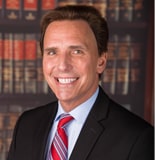
Before establishing Dyer, Garofalo, Mann & Schultz L.P.A., Doug Mann, a top Ohio Injury Attorney served as a bodily injury claims adjuster at a major insurance firm. With over 40+ years of experience, Doug’s background has proven invaluable in securing maximum cash settlements for his clients swiftly. Since leaving the insurance industry, Doug has devoted his entire legal career to assisting injured clients during their times of greatest need.

This page has been written, edited, and reviewed by a team of legal writers following our comprehensive editorial guidelines. This page was approved by Founding Partner, Doug Mann who has more than 30 years of legal experience as a practicing personal injury attorney.
Keep up to Date with Our Newest Firm Updates
Key Takeaways A jackknife happens when a truck driver loses control and the trailer swings away from its straight path. Hard braking, excess speed, and slick pavement on I-75 and […]
Key Takeaways A deposition is sworn testimony given outside the courtroom so both sides can learn the facts before trial. The questions cover your background, the crash, your injuries, your […]
Key Takeaways A crash involving only your vehicle does not automatically make you the at-fault driver. Another driver, a road defect, or a vehicle defect can cause a crash without […]
If you or a loved one has been seriously injured, please fill out the form below for your free consultation or call us at 1.937.222.2222

 call us: