Many Dayton parents never expect to search for answers to the question, “If a dog bites a child, what happens to the dog?” until an ordinary day suddenly turns frightening. When a child suffers a dog bite, fear and urgency collide with confusion about what comes next, not just medically, but legally and emotionally as well. In Ohio, these incidents trigger an animal control investigation focused on safety, rabies risk, and future prevention.
Authorities typically require a mandatory quarantine, most often lasting ten days to monitor for rabies, with longer observation when vaccination status remains unclear. Depending on the circumstances, officials may impose restrictions like leashing, muzzling, or behavioral training, and in rare cases involving severe, unprovoked attacks that pose ongoing danger, euthanasia may enter the discussion after professional evaluation.
At Dyer, Garofalo, Mann & Schultz, we help Dayton families understand how this process works under Ohio law, so parents can protect their children without relying on rumors or worst-case assumptions.
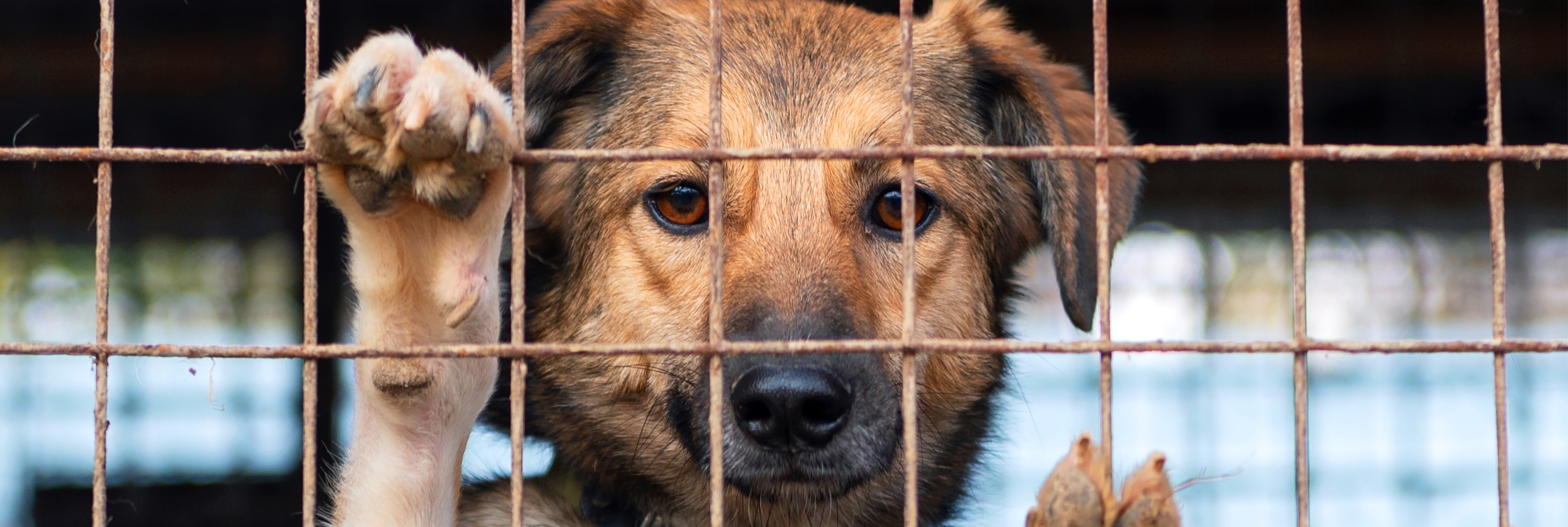
A dog bite involving a child requires immediate, thoughtful action that protects health while preserving key information. Medical treatment should happen right away, even when injuries appear minor, since dog bites carry infection risks and may worsen without proper care. After a medical provider evaluates the child, reporting the incident to local animal control or the Montgomery County Public Health District starts the official process and helps protect others nearby.
Parents often regain control by focusing on a clear sequence of priorities:
These steps protect a child’s health and influence how authorities respond when families later ask what happens next after a serious dog bite.
Ohio law places responsibility on dog owners; under Ohio Revised Code § 955.28, the owner, keeper, or harborer of a dog remains liable for injuries the dog causes unless narrow exceptions apply, such as criminal trespass or provocation. Those exceptions rarely apply to young children, which often gives families a clearer path toward accountability and financial recovery.
This legal structure removes the need to prove a dog’s prior aggression and instead focuses on the harm caused. Parents concerned about medical bills, emotional trauma, and future care often find clarity by reviewing how Ohio law defines responsibility.
If you or a loved one has been seriously injured, don’t hesitate to seek legal counsel with us right now!
Once a bite gets reported, animal control investigates to protect public health and assess rabies risk. In most situations, authorities require a mandatory quarantine so officials can observe the dog for signs of rabies. Ohio law authorizes local boards of health to set observation periods through Ohio Revised Code § 955.261, which often results in a ten-day quarantine, with longer monitoring when vaccination status remains unclear.
Depending on the circumstances, authorities may take several actions aimed at preventing future harm:
This process helps answer “If a dog bites a child, what happens to the dog?” without assuming extreme outcomes, while prioritizing community safety.
A dog bite can affect a child long after the physical wound heals. Scarring, anxiety, and fear around animals may develop over time, making follow-up care and emotional support essential. Documentation also matters, especially when insurance companies reach out quickly for statements before parents fully understand the extent of injuries.
Families who understand their rights early often avoid missteps that weaken a claim, especially when recovery involves more than medical treatment. Emotional healing can take longer than physical wounds, particularly for younger children who may struggle to feel safe around animals again, which makes thoughtful, informed decisions even more important.

Contact us online or call us at 1.937.222.2222 for a free case evaluation.
When a child suffers a dog bite, families deserve guidance grounded in Ohio law and local experience, not pressure or confusion. Questions like “If a dog bites a child, what happens to the dog?” deserve clear answers focused on protecting children and preventing future harm.
At Dyer, Garofalo, Mann & Schultz, we stand up for families, guide parents through difficult choices, and fight for children’s well-being with care and determination. Call 1.937.222.2222 to talk through your next steps and protect your child’s future.

Before establishing Dyer, Garofalo, Mann & Schultz L.P.A., Doug Mann, a top Ohio Injury Attorney served as a bodily injury claims adjuster at a major insurance firm. With over 40+ years of experience, Doug’s background has proven invaluable in securing maximum cash settlements for his clients swiftly. Since leaving the insurance industry, Doug has devoted his entire legal career to assisting injured clients during their times of greatest need.

This page has been written, edited, and reviewed by a team of legal writers following our comprehensive editorial guidelines. This page was approved by Founding Partner, Doug Mann who has more than 20 years of legal experience as a practicing personal injury attorney.
Keep up to Date with Our Newest Firm Updates
Key Takeaways: A personal injury claim involves a series of steps from gathering evidence through negotiation or possible court proceedings. Collecting photos, witness information, official reports, and medical documentation early […]
Key Takeaways Ohio law does not specifically prohibit passengers from putting their feet on the dashboard. Airbags deploy in a split second and can cause severe leg, hip, facial, and […]
People searching for the Best Personal Injury Lawyers in Dayton, Ohio are typically looking for firms with real experience handling injury claims in Montgomery County and surrounding communities. The firms […]
If you or a loved one has been seriously injured, please fill out the form below for your free consultation or call us at 1.937.222.2222

 call us: