Motorcycle riders in Dayton and across Ohio often use helmet cameras to record rides or document traffic incidents. Many ask, “Is it illegal to have a camera on your helmet?” The answer is no, helmet cameras are legal in Ohio as long as they don’t block vision or compromise safety standards. Riders should mount them safely so helmets remain compliant with DOT regulations.
While Ohio doesn’t ban helmet cameras, the method of attachment matters. Non-invasive adhesive or clamp mounts are safest because they don’t weaken the helmet’s structure. A secure, lightweight mount placed outside your line of sight allows you to record safely while staying compliant with state regulations.
At Dyer, Garofalo, Mann & Schultz, we’ve seen helmet footage make a powerful difference after motorcycle accidents, helping riders prove what really happened when another driver caused harm.
If you or a loved one has been seriously injured, don’t hesitate to seek legal counsel with us right now!
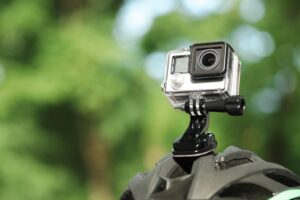 Under Ohio Administrative Code Rule 4501-17-01, riders under 18 or those with a novice license must wear DOT-approved helmets. The law doesn’t prohibit cameras, but any change that weakens the helmet or blocks a rider’s vision could make it unsafe.
So, is it illegal to have a camera on your helmet in Ohio? No. You can legally use one as long as it doesn’t interfere with visibility or violate DOT safety standards. Ohio law focuses on maintaining helmet integrity, not banning recording devices that promote rider awareness and accountability. Riders can stay compliant by doing the following:
A properly mounted helmet camera can also serve as powerful evidence after a motorcycle accident, showing how the crash occurred and helping to prove fault.

Contact us online or call us at 1.937.222.2222 for a free case evaluation.
Recording laws in Ohio cover both video and audio recordings. Although video recording on public roads is legal, riders must exercise caution when recording sound.
Ohio follows a one-party consent rule, meaning that one person in a conversation must agree to being recorded. As stated in the Ohio Revised Code §2933.52, intercepting private communication without consent can be a felony.
Helmet cameras usually capture only environmental noise, not private conversations, ensuring riders remain compliant. Still, the best practice is to use cameras mainly for visual documentation to avoid privacy complications.
Many riders wonder, “Is it illegal to have a camera on your helmet when you plan to use the footage after a crash?” The answer is no, helmet cam recordings are fully legal in Ohio and often become vital evidence in motorcycle accident cases. Courts typically accept these videos when they’re relevant, continuous, and unedited. Footage can clearly show another driver’s negligence, such as running a red light, tailgating, or using a phone while driving.
In our experience, helmet camera footage can strengthen both insurance claims and personal injury lawsuits. It documents what riders saw in real time and often eliminates doubt about fault. Beyond proving liability, the footage can also reveal road conditions or environmental factors that may have contributed to the crash.
Our legal team frequently collaborates with accident reconstruction experts who analyze helmet videos frame by frame. They use timestamps, speed, and movement data to clarify how the collision occurred. This type of technical evidence adds weight during settlement negotiations and in court, where visual proof often carries more credibility than memory or testimony alone.
Safe camera use ensures compliance and clear recording quality. Here are helpful tips:
According to the National Highway Traffic Safety Administration (NHTSA), wearing a helmet properly reduces the risk of head injury by approximately 69 percent. Combining safe riding with lawful recording creates both accountability and protection on Ohio roads.
Motorcycle accidents can leave riders with serious injuries and difficult questions about liability. When helmet footage becomes key evidence, you may wonder, “Is it illegal to have a camera on your helmet if that video is part of your claim?” The answer is no, and our team at Dyer, Garofalo, Mann & Schultz knows how to use that footage to protect your rights and strengthen your case.
We stand beside injured riders across Ohio, guiding them through every step after a motorcycle accident. To discuss your claim with a dedicated Dayton attorney, call 1.937.222.2222 for a free consultation today.
Holiday Giveaway!

Before establishing Dyer, Garofalo, Mann & Schultz L.P.A., Doug Mann, a top Ohio Injury Attorney served as a bodily injury claims adjuster at a major insurance firm. With over 40+ years of experience, Doug’s background has proven invaluable in securing maximum cash settlements for his clients swiftly. Since leaving the insurance industry, Doug has devoted his entire legal career to assisting injured clients during their times of greatest need.

This page has been written, edited, and reviewed by a team of legal writers following our comprehensive editorial guidelines. This page was approved by Founding Partner, Doug Mann who has more than 30 years of legal experience as a practicing personal injury attorney.
Keep up to Date with Our Newest Firm Updates
Key Takeaways. Ohio pedestrians can pursue a claim or lawsuit against a driver when negligence and evidence support it. Drivers and pedestrians can share fault, and Ohio law reduces compensation […]
Key Takeaways Liability depends on whether the Uber driver, another driver, or shared fault caused the crash. Uber’s coverage changes based on whether the app is off, waiting, or active […]
Key Takeaways Ohio law does not require a police report to file a claim. Reports become mandatory for injury, death, or damage over $1,000. Photos, witness statements, and medical records […]
If you or a loved one has been seriously injured, please fill out the form below for your free consultation or call us at 1.937.222.2222

 call us: